The history of the Art Hotel is a tale of two Wrocław tenement houses which have evolved over the year to now host art lovers from all around the world. Discover our roots.

Art Hotel Wrocław

The Art Hotel is located in two tenement houses, in the very heart of the Wrocław’s Old Town. The older house dates back to the Middle Ages – it was then that the first brick building appeared in Kiełbaśnicza Street. It was a four-storey house with a narrow front towering over the wooden buildings of the neighbouring properties. Soon, and thus, in the middle of the 14th century, it first expanded to include a rear room and then to cover the entire width of the 25-metre property. Before the end of the Middle Ages, the tenement house gained even more space as, amongst other things, a side wing was added along Łazienna Street.
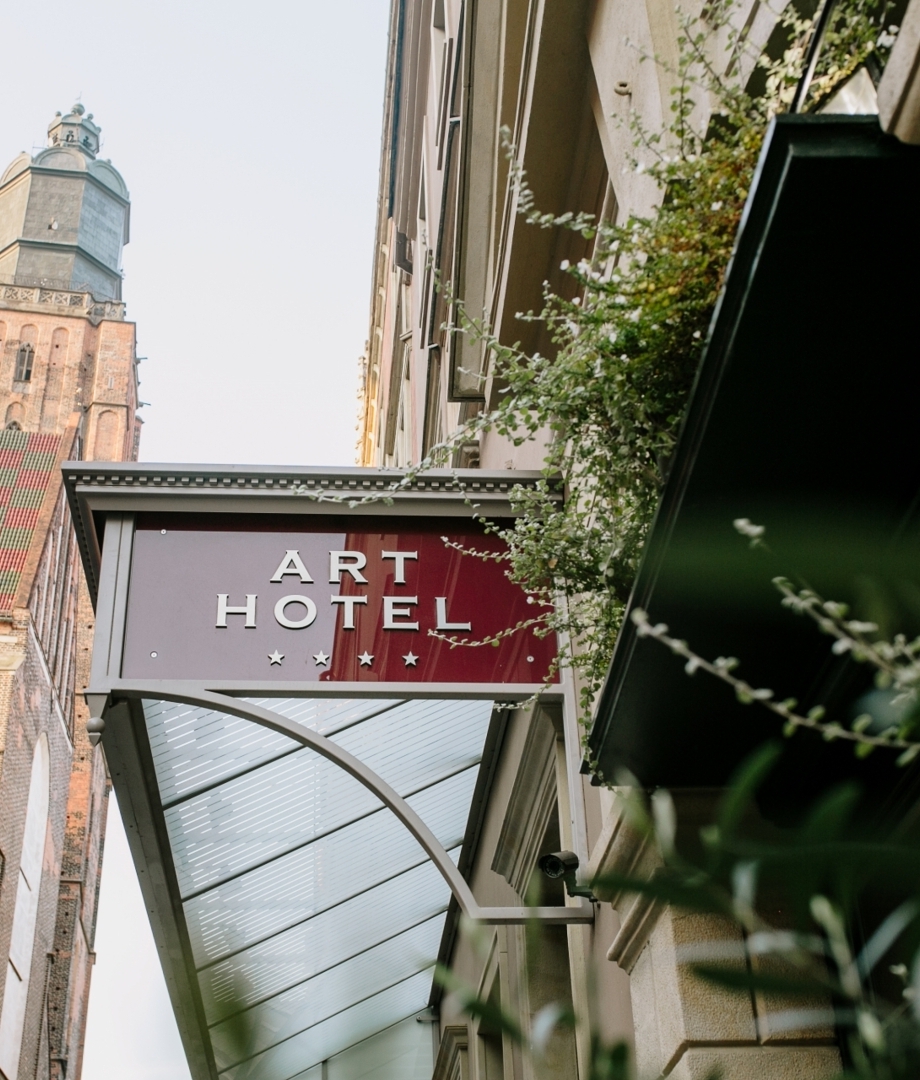
Art Hotel four-star sign under a glass canopy on a historic street, brick church tower rising behind and window greenery

Tracing history

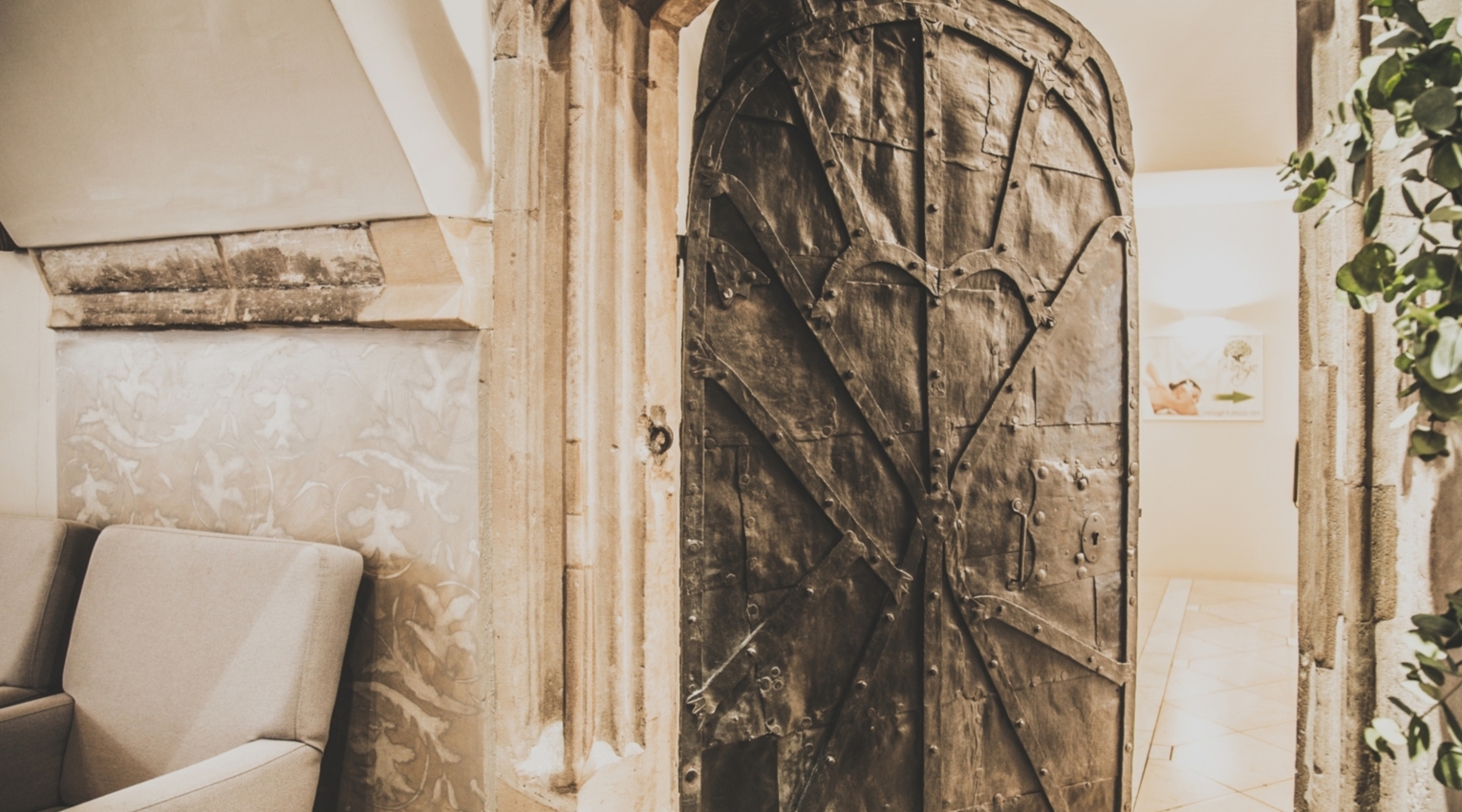
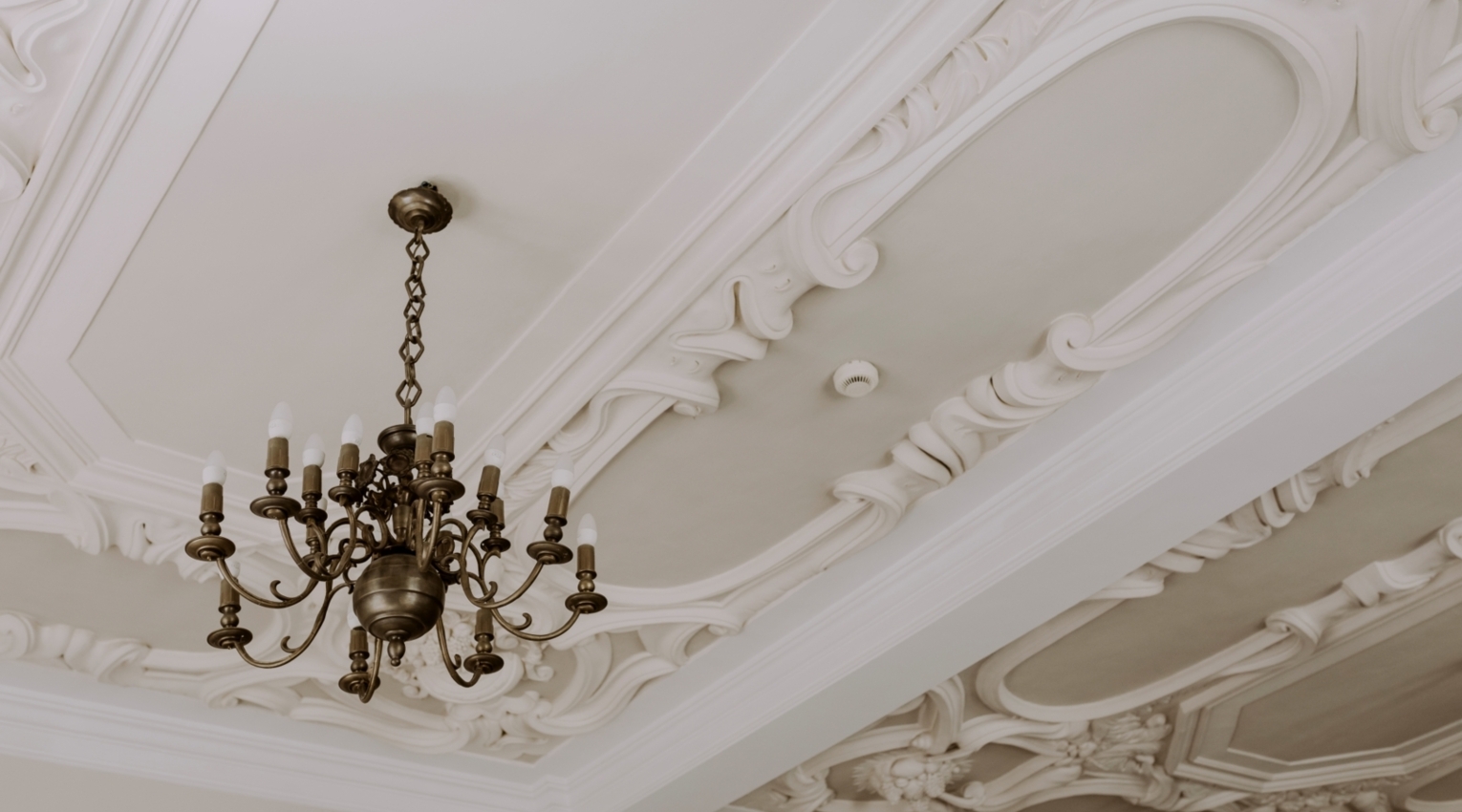
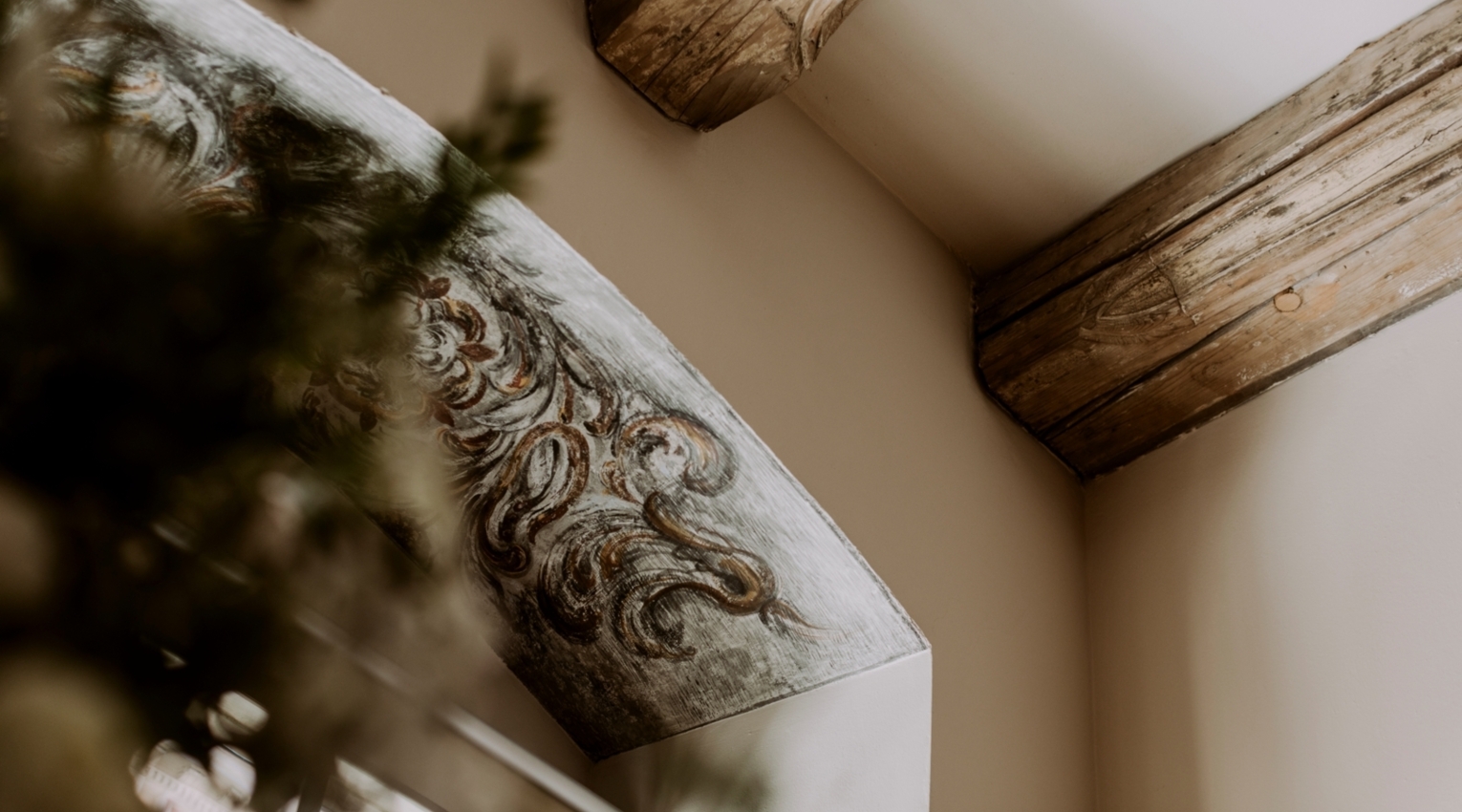
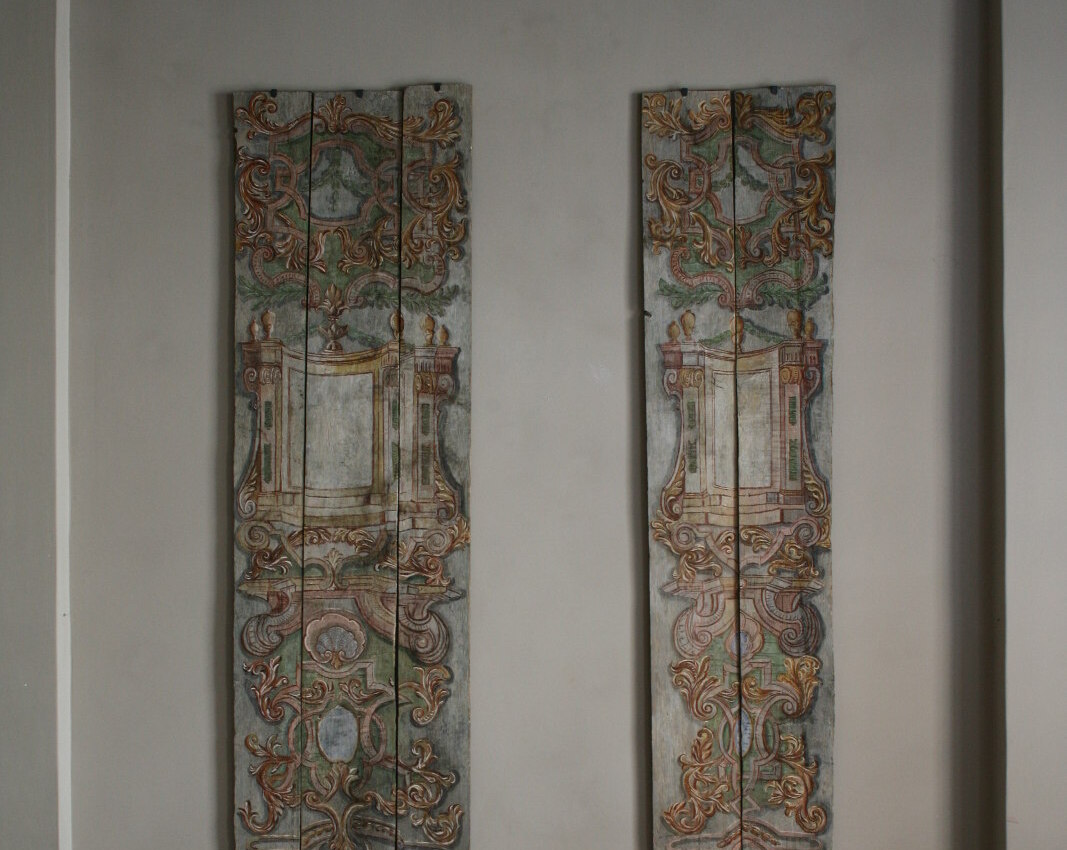
The ground floor resembled the interiors of Wrocław's finest patrician tenements – the so called “great hallway’ was located here, as well as the passage to the courtyard, the treasury and the rear chamber. When it comes to this period, we can now admire the renovated highly decorative lattice vault in the former treasury as well as two portals - both with gmerkas (bourgeois coats of arms), the date 1520 and a wrought iron door. The interiors still house many other artefacts that are a heritage of previous eras, such as moulded ceilings and Renaissance inter-window columns from 1549, early Baroque stucco or panel paintings from the 17th century.
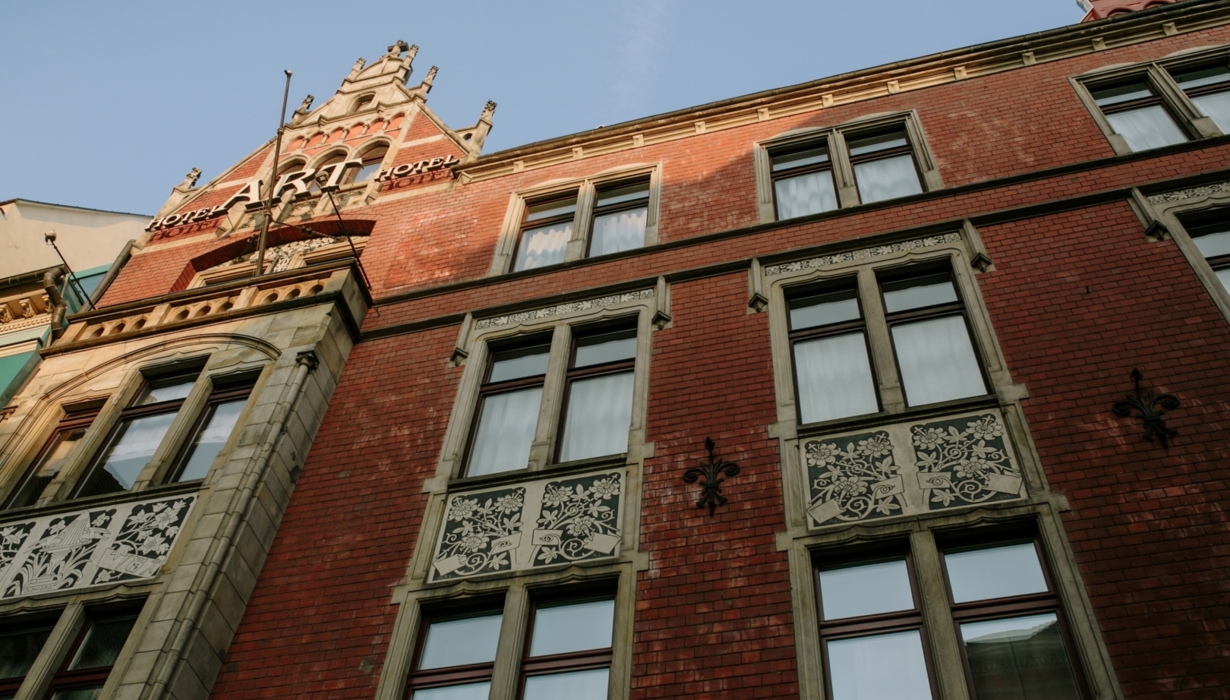
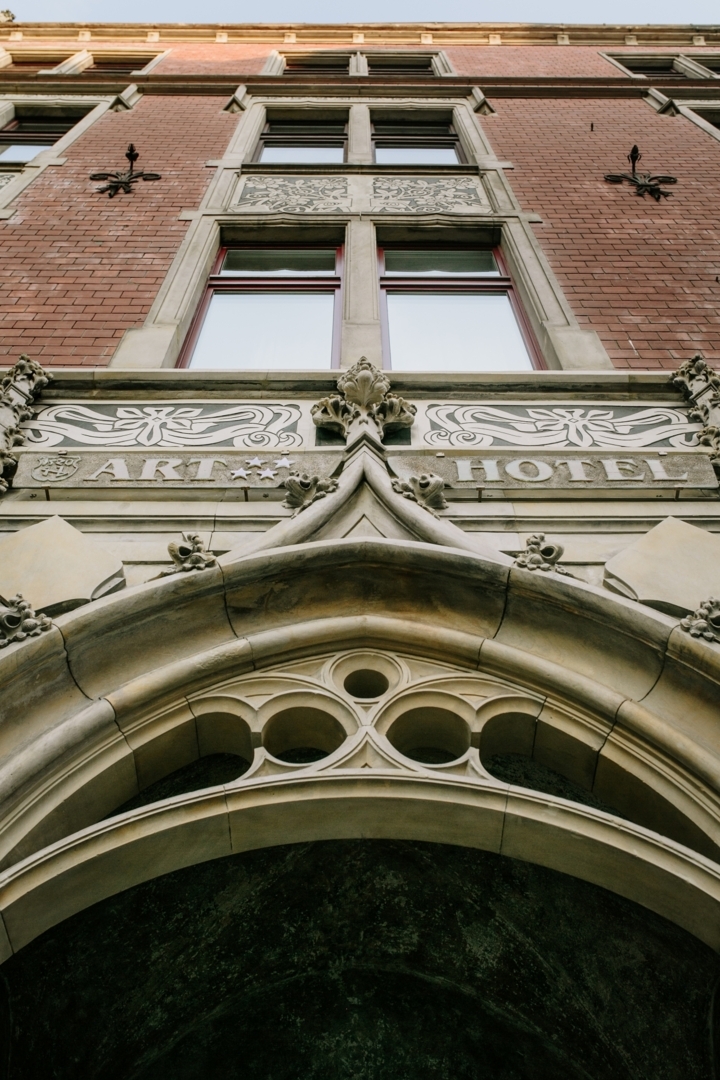
Historic red-brick hotel facade with ornate stone window frames, carved floral relief panels and a decorative peaked gable.

Tasteful architecture

The rich architecture of one of the tenement houses in Kiełbaśnicza Street and the rich interior design of each seem unusual when we think of their location in the former Butchers' Quarter – a district which back then was not a representative part of the city. It is no surprise then that the mystery behind this old house keeps on fascinating historians despite the time passing by.
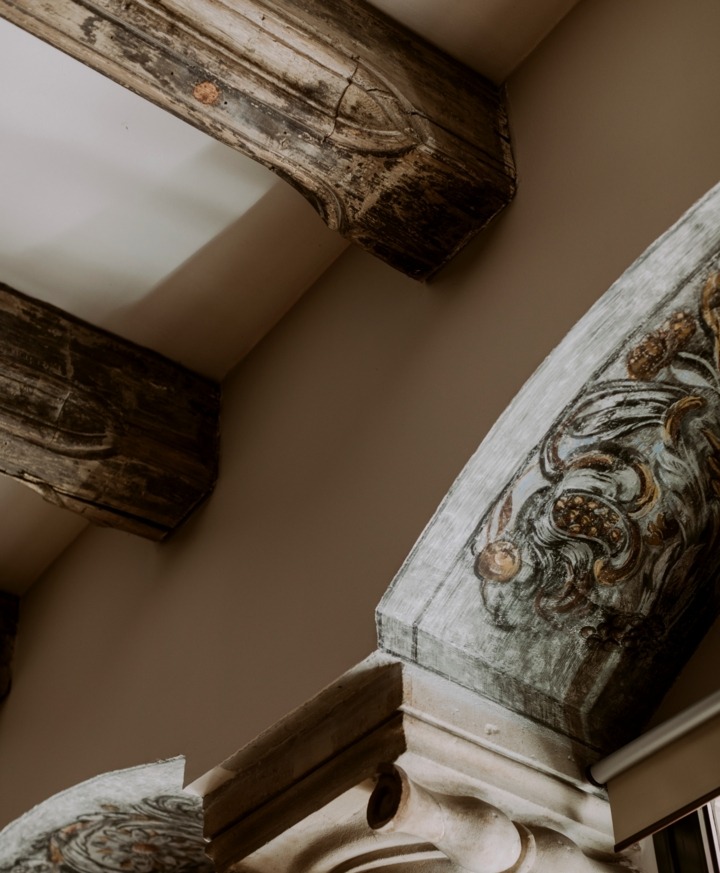
Ornate stone column and painted arch with carved floral motifs beneath rustic exposed wooden ceiling beams
Elegant fountain pen resting on crisp paper with a handwritten welcome note on a hotel desk, warm ambient lighting

From printing presses to hotel rooms
Over the centuries, the brick building in Kiełbaśnicza Street has served a variety of functions. In the 17th and 18th century, it housed the famous Baumann family's printing house, followed by the Grass and Barth printing houses. In later years, the tenement house was the seat of the Association of Polish Architects (SARP). Yet, first and foremost, it was a place that the citizens of Wrocław called home for decades. Their everyday lives have been recorded in a series of documentaries prepared as part of the ‘Tu Mieszkałem’ (‘I lived here’) project.
Ornate stone arch with carved 'ART HOTEL' signage, decorative mouldings and red-brick upper floors of a boutique hotel.
The hotel’s current shape is a fruit of careful renovation carried out in the 1990s. Although the historic character of the building has been preserved, it has also been adapted to the modern standards of hospitality. Today, we are Wrocław’s most artistic hotel – art and history fill every nook and cranny here. Pure comfort and aesthetic delights at every single step.
Heavy wrought-iron door in stone arch opening to a bright corridor; upholstered seating and decorative plaster beside it
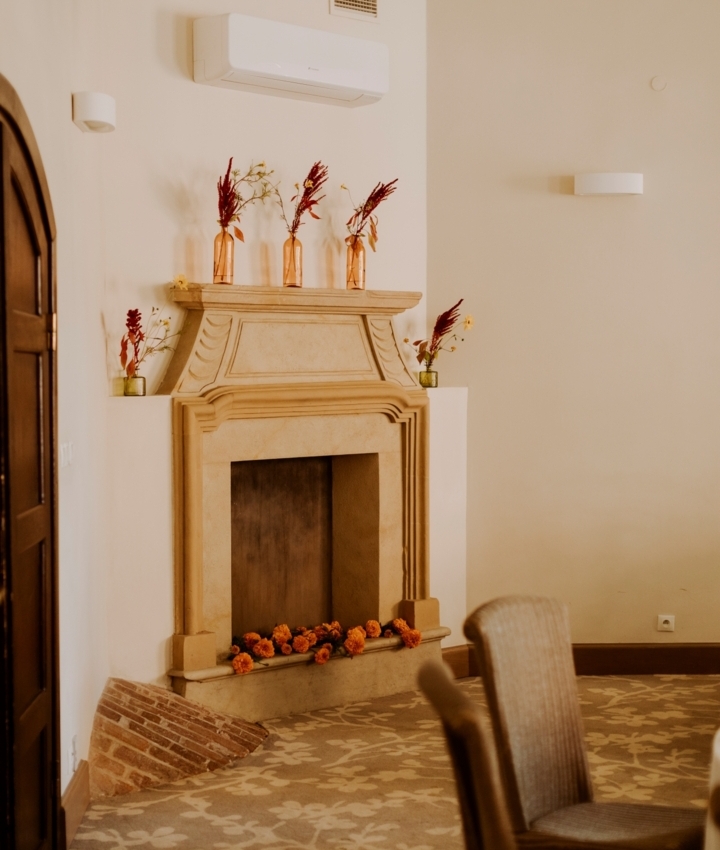
Elegant hotel lounge corner with decorative stone fireplace, floral vases on mantel, patterned carpet and wicker chairs
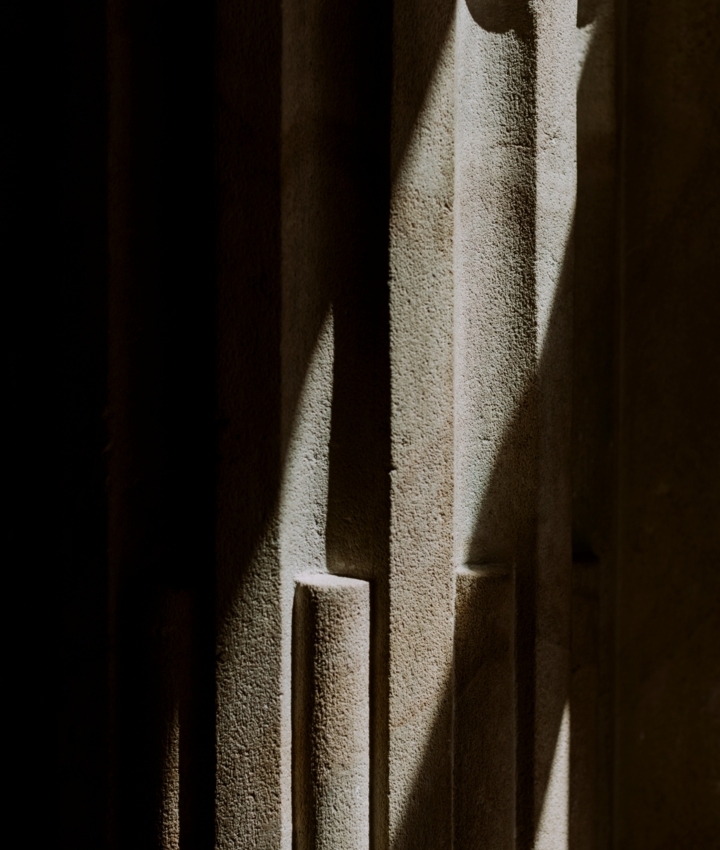
Textured stone columns in a dim hotel lobby lit by slanted sunlight, casting dramatic sculptural shadows.
Bronze chandelier suspended from ornate plaster ceiling with classical mouldings and floral accents, elegant hotel atmosphere
Hand-painted decorative arch and exposed reclaimed wooden beams above a window with soft natural light and blurred greenery.
Two tall weathered wooden panels with faded ornate baroque painting mounted on a neutral wall under a coffered wooden ceiling.